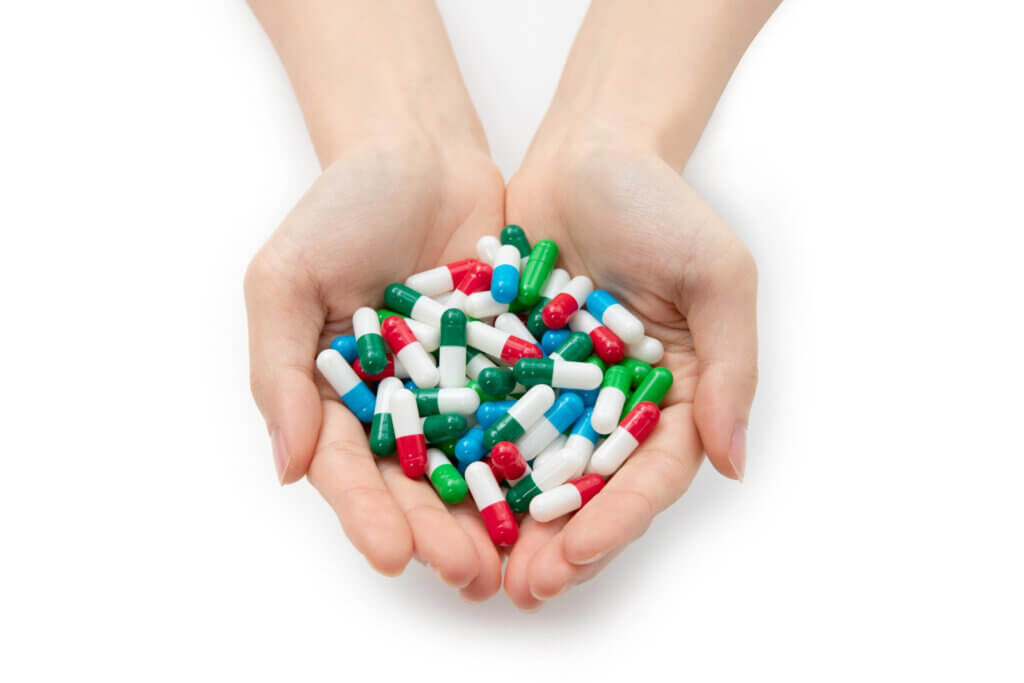
Dental infections are common problems that can cause significant discomfort and complications if not treated properly. Antibiotics play an essential role in fighting dental bacterial infections, but their use should be done correctly and only on the advice of your dentist.
What are antimicrobials and how do they work?
Antimicrobial drugs, also known as antibacterial drugs, are used to fight infections caused by bacteria by destroying them or stopping them from multiplying. There are two main categories:
- Bactericides – kill bacteria by destroying the cell wall (e.g. Amoxicillin, Cephalexin).
- Bacteriostatics – prevent the growth and spread of bacteria (e.g. Clindamycin, Tetracycline).
According to a study by the World Health Organization (WHO), about 700,000 people die each year from antimicrobial-resistant infections. If this trend continues, the number could reach 10 million by 2050.

Examples of when antibiotics are recommended
- Tooth abscess
A tooth abscess is an acute infection that forms around the root of a tooth or in the gums, caused by bacteria. In the case of a severe abscess, your dentist may prescribe antibiotics to prevent the infection from spreading and to reduce inflammation. - Periodontitis
Periodontitis is a serious infection of the gums that can damage the supporting structure of the teeth. If left untreated, it can lead to tooth loss. In such cases, antibiotics help fight the bacteria that cause inflammation and prevent complications. - Post-operative infections
After surgical procedures such as tooth extractions or dental implants, antibiotics are often prescribed to prevent secondary infections. - Infections of the soft tissues of the oral cavity
For conditions such as oral cellulitis (inflammation of the soft tissues in the mouth), antibiotics are essential to control the infection and prevent serious complications.
Top 5 most powerful antibiotics for dental infections
Dental infections often require antibiotic treatment to prevent complications and clear the infection. Here are five of the most effective antibiotics used in dentistry:

1. Amoxicillin
- Main role: Fighting a wide range of bacteria responsible for dental infections.
- Method of administration: 500 mg every 8 hours for 7-10 days.
- Possible side effects: allergic reactions, nausea, digestive upset.
2. Clindamycin
- Main role: indicated for patients allergic to penicillin, effective against anaerobic bacteria.
- Method of administration: 300 mg every 6 hours for 7-10 days.
- Possible side effects: gastrointestinal problems, risk of pseudomembranous colitis.
3. Metronidazole
- Main role: Used in combination with other antibiotics to treat severe infections caused by anaerobic bacteria.
- Method of administration: 500 mg every 8 hours for 7 days.
- Possible side effects: metallic taste, nausea, allergic skin reactions.
4. Tetracycline
- Main role: Treatment of periodontal diseases and advanced gum infections.
- Method of administration: 250-500 mg every 6 hours as directed by your doctor.
- Possible side effects: photosensitivity, tooth discoloration, gastrointestinal upset.
5. Cephalexin
- Main role: Effective against gram-positive bacteria, used in moderate dental abscesses.
- Method of administration: 500 mg every 6-12 hours.
- Possible side effects: allergic reactions, digestive problems.
It is essential that any antibiotic is only administered on dentist’s recommendation to avoid bacterial resistance and undesirable side effects.
Frequently asked questions about antimicrobial drugs used in dentistry
- When is an antibiotic needed for a tooth infection?
Antibiotics are only recommended in cases of severe, spreading infection, fever or significant swelling. In most situations, local treatments and drainage are sufficient. - What are the alternatives to antibiotic treatment?
In many cases, professional cleaning of the infected area, mechanical treatment and drainage of the abscess are more effective and safe solutions. - What if I take antibiotics without a prescription?
Uncontrolled administration can lead to side effects, destruction of the intestinal flora and the development of treatment-resistant bacteria. - How long before the antibiotic takes effect?
In general, symptoms begin to improve within 24-48 hours after correct administration, but treatment should be continued as directed by your doctor.
Did you know that?
- More than 50% of antibiotics prescribed for dental infections were unnecessary in 2019, according to the WHO.
- Antibiotic resistance is one of the biggest threats to public health, and antimicrobial overuse is a major contributor to the problem.
- A recent study has shown that 70% of patients suffering from dental infections can be effectively treated without antibiotics, using drainage and topical treatment.
Why not take antibiotics without a doctor’s advice?
It is crucial that antibiotics are only administered under the supervision of a specialist, as their incorrect use can lead to bacterial resistance or side effects. Dentists are in the best position to assess the need and type of antibiotic to be used depending on the type of infection and the patient’s general health.
According to the European Center for Disease Prevention and Control (ECDC), 33,000 people die each year in Europe from antibiotic-resistant infections.

How can INO Dental help you?
At INO Dental, we ensure that every patient receives the appropriate treatment for dental infections and their associated pain. A dental consultation is essential to determine if antimicrobial medication is necessary or if there are other solutions better suited for you.
If you are experiencing a tooth infection or persistent toothache our team can offer you personalized solutions to relieve discomfort and prevent complications.
Contact us now to schedule an appointment!
Sources and References
Antibiotic Use in Dentistry (NCBI)